



How to Check Company Name Availability in Dubai?
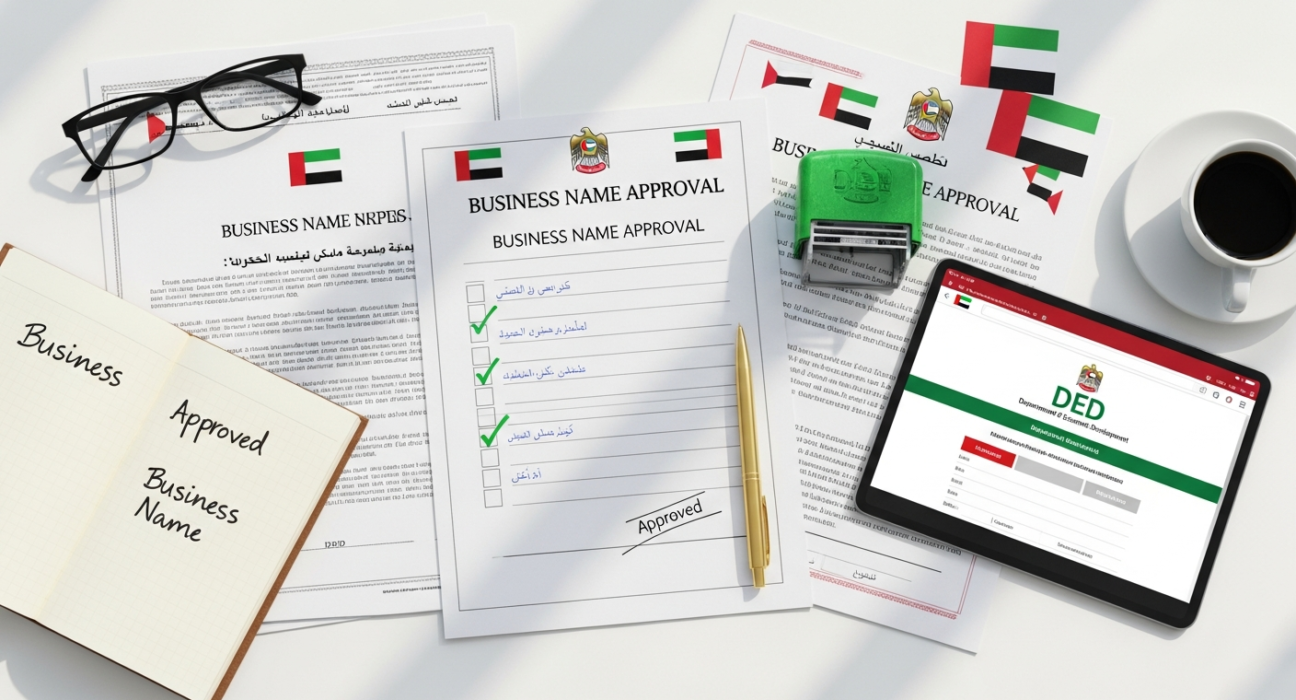
Is Your Dream Business Name Approved in Dubai? Everything You Need to Know Before Starting Your Venture
Starting a business in the United Arab Emirates is an exciting journey filled with opportunities and possibilities. Dubai, particularly, has become a global hub for entrepreneurs, attracting thousands of ambitious individuals from around the world who want to turn their business dreams into reality. However, before you can officially launch your venture, there’s one critical step that often gets overlooked until the last minute: getting your business name approved.
You might have spent weeks brainstorming the perfect name for your company—something catchy, memorable, and meaningful. But here’s the reality check: your dream business name might not get approved in Dubai if it doesn’t meet the specific guidelines set by the Department of Economic Development (DED) and other regulatory authorities in the emirate.
This comprehensive guide will walk you through everything you need to know about getting your business name approved in Dubai, helping you avoid delays, rejections, and unnecessary frustration during your business setup in Dubai.
Why Business Name Approval Matters More Than You Think
Imagine this scenario: You’ve designed your logo, printed business cards, created social media accounts, and maybe even signed a lease for your office space—all under a business name that sounds perfect to you. Then you submit your application for trade name check Dubai approval, only to receive a rejection notice. Now you’re back to square one, facing additional costs and wasted time.
This situation happens more often than you’d expect, especially to first-time entrepreneurs who underestimate the importance of understanding Dubai’s naming regulations. The business name approval process isn’t just a formality—it’s a legal requirement that protects consumers, maintains market clarity, and ensures that business names align with the cultural and regulatory standards of the UAE.
When you conduct a proper business name check UAE before making any commitments, you save yourself from potential headaches and financial losses down the road. The good news is that with the right knowledge and guidance, you can navigate this process smoothly and get your ideal business name approved on the first try.

Understanding the Business Name Approval Process in Dubai
The process of getting your business name approved in Dubai involves several steps and considerations. Whether you’re planning to establish your business in mainland Dubai, a free zone, or offshore, each jurisdiction has its own specific requirements, though many general rules apply across the board.
Step One: Understanding the Basic Naming Guidelines
Before you even think about submitting your application for a company name check Dubai, you need to understand what makes a business name acceptable in the emirate. The Department of Economic Development has established clear guidelines that every business name must follow.
First and foremost, your business name must reflect the actual activity of your company. For example, if you’re opening a restaurant, your trade name should somehow indicate food service or dining. If you’re starting a consulting firm, the name should suggest professional services. This requirement ensures transparency for customers and helps regulatory authorities categorize businesses correctly.
Religious references are strictly prohibited in business names. Any name that includes religious terms, symbols, or references will be automatically rejected. This rule applies regardless of which religion is referenced, as the UAE maintains a policy of respecting all faiths while keeping business operations secular.
Similarly, any business name that could be considered offensive, immoral, or against public decency will be rejected immediately. This includes names with profanity, sexual innuendos, or anything that could be interpreted as disrespectful to UAE culture and values.
Political references are also off-limits. Your business name cannot include the names of political figures, parties, or movements. This rule helps maintain the neutrality of the business environment and prevents companies from becoming associated with political ideologies.
Step Two: Checking for Existing Trademarks and Similar Names
One of the most common reasons for business name rejection is similarity to an existing registered company name or trademark. When you perform a trade name check Dubai through the official channels, the system will flag any names that are too similar to businesses already operating in the emirate.
But what does “too similar” actually mean? The authorities look at several factors, including phonetic similarity (how the names sound), visual similarity (how they look when written), and conceptual similarity (whether they convey similar meanings). Even if your proposed name has slight variations in spelling or includes additional words, it might still be rejected if it’s deemed too close to an existing business name.
This is where many entrepreneurs face unexpected roadblocks. You might think your name is unique, only to discover that another company with a similar name registered years ago. To avoid this situation, it’s wise to check not just exact matches but also variations and similar-sounding names before getting too attached to your chosen business name.
Professional service providers like A&A Associate specialize in conducting thorough name searches and can help identify potential conflicts before you submit your official application, saving you valuable time in the approval process.
The Different Jurisdictions and Their Specific Requirements
Dubai offers several jurisdictional options for business setup in Dubai, and each has its own naming conventions and approval processes. Understanding these differences is crucial for choosing both the right jurisdiction for your business and an appropriate name.
Mainland Dubai Business Names
If you’re setting up a mainland company, your business name approval will come from the Department of Economic Development. Mainland businesses have the advantage of trading directly with the UAE market without restrictions, but they also face stricter naming requirements.
For mainland companies, your business name typically consists of three parts: the trade name (the creative part you choose), the business activity (describing what you do), and the legal form (such as LLC, sole proprietorship, etc.). All three components must be clearly stated and approved.
When conducting a business name check UAE for mainland registration, you’ll need to ensure your proposed name doesn’t conflict with any existing mainland businesses. The DED maintains a comprehensive database of all registered trade names, and their approval system cross-references your application against this database.
Free Zone Business Names
Dubai’s numerous free zones—such as JAFZA, DMCC, Dubai Internet City, and Dubai Media City—each have their own regulatory authorities and slightly different naming requirements. While the general principles remain the same, free zones may have additional restrictions based on their specific focus areas.
For instance, if you’re setting up in Dubai Internet City, your business name should reflect technology-related activities. In Dubai Healthcare City, medical and healthcare terminology would be appropriate and even encouraged. When you perform a company name check Dubai for free zone registration, you’re checking against that specific free zone’s registry, not the mainland database.
Free zones often process name approvals more quickly than mainland authorities, sometimes within a single business day. However, this speed doesn’t mean the requirements are any less stringent—your proposed name still needs to meet all the standard criteria while also aligning with the free zone’s sector focus.
Common Reasons Why Business Names Get Rejected
Understanding why business names get rejected can help you avoid these pitfalls when choosing your own. Over the years, certain patterns have emerged in the types of names that consistently fail to gain approval.
Using Royal or Governmental References
Any name that suggests a connection to the UAE government, royal families, or governmental institutions will be rejected unless you have explicit permission from the relevant authorities. This includes obvious references like “Royal,” “Emirates,” “Dubai,” “Sheikh,” or “Ruler,” but also extends to more subtle implications.
Many entrepreneurs don’t realize that even indirect governmental associations can cause problems. For example, using symbols, colors, or terminology strongly associated with UAE governmental bodies might raise red flags during the approval process.
Geographic Limitations
Interestingly, using “Dubai” or “UAE” in your business name isn’t automatically allowed, even though you’re doing business in Dubai. These geographic identifiers are often restricted and require special justification or permission. The authorities want to prevent businesses from misleading customers about their scope, scale, or governmental affiliation.
If you do want to include geographic references in your business name, you’ll need to provide strong reasoning and may need to meet certain criteria, such as minimum capital requirements or specific business activities that justify the geographic scope implied by your name.
Trademark and Intellectual Property Issues
Attempting to use or slightly modify well-known international brand names is a fast track to rejection. The UAE takes intellectual property rights seriously, and trademark infringement is closely monitored during the name approval process.
This protection extends beyond exact copies. If your proposed business name is similar enough to a registered trademark that it could cause customer confusion, it will likely be rejected. This applies to both local and international trademarks, as the UAE is a signatory to various international intellectual property agreements.
How to Increase Your Chances of First-Time Approval
Getting your business name approved on the first attempt requires strategic thinking and careful preparation. Here are some proven strategies that successful entrepreneurs use when conducting their trade name check Dubai and submitting applications.
Research Thoroughly Before Falling in Love with a Name
Before you become emotionally attached to a particular business name, conduct preliminary research. Use online resources, check the DED website, and explore business directories to see what names are already in use. Look for patterns in your industry—what types of names are common, and which seem to get approved easily?
Consider creating a shortlist of three to five potential names rather than putting all your hopes on a single option. This approach gives you alternatives if your first choice doesn’t make it through the approval process. When developing your shortlist, try variations of your core concept, different word orders, or alternative descriptive terms that convey similar meanings.
Keep It Simple and Clear
Complex names with difficult spellings or confusing word combinations often face scrutiny during the approval process. The authorities prefer names that clearly communicate what the business does and can be easily understood by the general public.
Simple doesn’t mean boring—it means clear and purposeful. A straightforward name that effectively represents your business activities is much more likely to gain approval than an overly creative name that leaves people guessing about what you actually do.
The Step-by-Step Application Process
Once you’ve selected a name that meets all the guidelines and passed your preliminary checks, you’re ready to submit your official application. Understanding this process helps set realistic expectations for timelines and requirements.
Preparing Your Application
Your company name check Dubai application requires several pieces of information beyond just the proposed name itself. You’ll need to specify your intended business activities, provide details about the company shareholders, indicate your chosen legal structure, and submit identification documents.
The application forms vary depending on whether you’re applying for mainland registration or free zone establishment. Make sure you’re using the correct forms for your chosen jurisdiction, as submitting the wrong paperwork will only delay your approval.
Waiting for Approval
The approval timeline varies depending on several factors, including the jurisdiction, the complexity of your business activities, and the current workload of the approval authority. Mainland approvals through the DED typically take anywhere from two to five business days, though simple, straightforward applications might be processed faster.
Free zone approvals can be quicker, sometimes completed within 24 hours, particularly if you’re working through a registered business setup agent who can expedite the process. However, if your application raises any questions or concerns, the authority may request additional information, which extends the timeline.
Handling Rejections and Resubmissions
If your initial application is rejected, don’t panic—this happens more often than you might think, and it’s not the end of your business dreams. The rejection notice should include reasons for the denial, which helps you understand what needs to change.
Common rejection reasons include similarity to existing names, inappropriate terminology, unclear business activity description, or missing information in the application. Address the specific issues mentioned in the rejection notice, and consider alternative names or modifications that resolve the concerns.
Many entrepreneurs find that working with professional consultants becomes especially valuable after a rejection. These experts can interpret the rejection reasons, suggest viable alternatives, and help craft a resubmission that addresses the authority’s concerns while still maintaining your branding objectives.
Beyond Name Approval: Next Steps in Your Business Setup Journey
Getting your business name approved is an important milestone, but it’s just one step in the broader business setup in Dubai process. Understanding what comes next helps you plan your timeline and budget effectively.
Trade License Application
Once your business name is approved, you can proceed with applying for your trade license. This license officially authorizes you to conduct business activities in Dubai and specifies exactly what those activities are. The approved business name becomes part of your trade license documentation.
The trade license application requires additional documentation, including a tenancy contract for your business location, passport copies for all shareholders, a Memorandum of Association (for certain business structures), and various application forms. The approved business name certificate from your earlier application is a crucial component of this package.
Business Registration and Documentation
With your approved name and trade license in hand, you’ll complete the formal business registration process. This includes obtaining a commercial registration certificate, registering with the Dubai Chamber of Commerce (for mainland businesses), and setting up your business bank accounts.
Your approved business name appears on all official documents, including your commercial registration, tax registration certificates, and any industry-specific licenses or permits you need. This is why getting the name right from the start is so important—changing it later requires going through the entire approval process again and updating all your official documentation.
Understanding the Costs Involved
The financial aspect of business name approval and registration is an important consideration for budgeting your business setup in Dubai costs. While name approval itself isn’t expensive, understanding the complete cost structure helps avoid surprises.
Direct Name Approval Fees
The actual fee for submitting a business name for approval is relatively modest, typically ranging from AED 210 to AED 600 depending on the jurisdiction and business type. Mainland registrations through the DED fall on the lower end of this range, while some specialized free zones may charge slightly higher fees.
These fees cover the administrative cost of processing your application and conducting the necessary checks against existing business names and trademarks. If your initial application is rejected and you need to submit alternative names, you may need to pay additional fees for each new submission, though some jurisdictions allow one free resubmission within a certain timeframe.
Professional Service Fees
If you engage a business setup consultant to handle your name approval and registration process, their professional fees will add to your overall costs. However, these fees often represent good value considering the time saved, higher approval success rates, and reduced risk of costly mistakes.
Professional service fees vary widely depending on the complexity of your business structure, the jurisdiction you’re working in, and the level of service you require. A basic name approval service might cost a few hundred dirhams, while comprehensive business setup packages that include name approval, license processing, and ongoing support can run into thousands of dirhams.
When evaluating these costs, consider not just the monetary outlay but also the opportunity cost of delays, the stress of navigating unfamiliar processes, and the potential expense of repeated rejections if you go it alone without proper guidance.
Special Considerations for Specific Business Types
Certain types of businesses face additional naming requirements or restrictions that general commercial enterprises don’t encounter. If your venture falls into one of these categories, understanding the specific rules helps prevent approval delays.
Professional Service Firms
Businesses offering professional services—such as legal consultancies, accounting firms, engineering companies, and medical practices—often need to include professional designations in their business names. For example, an accounting firm might need to include “Chartered Accountants” or “Audit” in its trade name.
These requirements ensure that the business name clearly communicates the professional nature of the services offered and helps customers understand what type of expertise they can expect. When conducting your business name check UAE for a professional service firm, verify that your proposed name includes the required professional terminology.
Food and Beverage Establishments
Restaurants, cafes, catering companies, and other food service businesses must ensure their names clearly indicate their food-related activities. While creativity is encouraged in this sector, the name must still make the business category apparent to consumers and regulators.
Additionally, food businesses should avoid names that might be considered inappropriate for establishments where families and children gather. Conservative naming choices generally fare better in the approval process for food and beverage ventures.
Technology and Innovation Businesses
Companies in the technology sector, particularly those setting up in tech-focused free zones, have slightly more flexibility with creative and modern naming conventions. However, they still must ensure their names aren’t misleading about their capabilities or scope.
Be cautious about using terminology that implies capabilities you don’t actually possess. For example, calling yourself an “Artificial Intelligence Solutions Provider” when you’re primarily a software development shop might raise questions during the approval process.
Cultural Sensitivity in Business Naming
Dubai is a cosmopolitan city with a diverse international population, but it’s important to remember that it’s also an Emirate with deep cultural roots and traditions. Your business name should demonstrate respect for local culture while appealing to your target market.
Arabic Translation Considerations
In many cases, your business name will need an Arabic translation for official documentation. This translation isn’t just a direct word-for-word conversion—it needs to convey the same meaning and comply with all the naming rules in Arabic as well.
Sometimes, a business name that works perfectly in English creates problems when translated into Arabic. It might be too long, difficult to pronounce, or inadvertently create an inappropriate or meaningless phrase in Arabic. Professional translators who understand both languages and the business context can help ensure your name works well in both English and Arabic.
Religious and Cultural Sensitivity
Beyond the obvious prohibition on religious references, consider the broader cultural context of your business name. Names that might be clever wordplay in English could be confusing, offensive, or simply meaningless in an Arabic cultural context.
When in doubt, seek feedback from local partners, cultural advisors, or experienced business consultants who understand the nuances of what’s acceptable and appropriate in Dubai’s business environment. This cultural sensitivity isn’t just about getting approval—it’s about building a brand that resonates positively with your local customer base.
How Technology is Streamlining the Approval Process
Dubai’s commitment to becoming a smart city extends to business registration processes. Recent technological innovations have made checking name availability and submitting applications faster and more transparent than ever before.
Online Name Checking Tools
The Department of Economic Development and various free zone authorities now offer online portals where entrepreneurs can conduct preliminary trade name check Dubai searches before submitting official applications. These self-service tools provide instant feedback on whether similar names are already registered.
While these online tools are helpful, they don’t replace official applications or guarantee approval. They’re best used as a preliminary screening step to eliminate obviously unavailable names before you invest time and effort into a particular option. The official approval process still involves human review and consideration of factors that automated systems might not catch.
Digital Application Submission
Gone are the days when you had to physically visit government offices multiple times to submit paperwork and follow up on your application status. Today, most name approval applications can be submitted digitally through official websites or authorized business setup portals.
Digital submission offers several advantages: faster processing times, automatic confirmation of receipt, real-time status tracking, and digital delivery of approval certificates. You can monitor your application’s progress online and receive notifications when decisions are made or additional information is needed.
Integration with Business Setup Processes
Modern business setup platforms increasingly integrate name approval with subsequent licensing and registration steps, creating a seamless digital experience from name selection through final business establishment. These integrated systems reduce redundancy, minimize errors, and accelerate the overall business setup timeline.
Professional business setup firms leverage these technological tools while adding the human expertise needed to navigate complex situations, interpret requirements, and optimize your application for success. This combination of technology and expertise represents the ideal approach for efficient business setup in Dubai.
Learning from Real Examples
Understanding abstract rules is one thing, but seeing how they apply in real situations helps clarify what works and what doesn’t. Here are some illustrative examples of business naming decisions and their outcomes.
Example One: The Restaurant That Needed Clarity
An entrepreneur wanted to name his upscale dining establishment “The Golden Experience” to convey luxury and memorable dining. However, the name was initially questioned because it didn’t clearly indicate that the business was a restaurant. After adding “Restaurant & Lounge” to create “The Golden Experience Restaurant & Lounge,” the name was approved. This example demonstrates why including your business activity in the trade name is important.
Example Two: The Tech Startup with Trademark Issues
A technology entrepreneur proposed naming her software company “Amazonia Tech Solutions,” thinking the reference to “amazonia” (meaning a complex, interconnected system) was clever. The application was rejected due to similarity to a well-known international trademark. She successfully resubmitted with “Nexus Tech Solutions,” which conveyed a similar concept of connectivity without trademark concerns. This case illustrates why even indirect references to major brands can cause problems.
Example Three: The Consulting Firm That Succeeded
A business consultancy wanted to call itself “Pinnacle Business Consulting LLC” and conducted thorough preliminary checks before applying. They verified no similar names existed, confirmed their proposed name clearly indicated their business activity, and ensured it met all cultural and regulatory guidelines. Their application was approved within three business days. This success story shows how proper preparation leads to smooth approvals.
Protecting Your Approved Business Name
Once you’ve successfully navigated the approval process and secured your desired business name, protecting it becomes important. Your approved trade name represents your brand identity and business reputation in the market.
Trademark Registration
While your approved trade name is registered with the business licensing authority, this registration doesn’t automatically provide trademark protection. For comprehensive protection of your business name, logo, and brand elements, consider registering a trademark with the UAE Ministry of Economy.
Trademark registration gives you exclusive rights to use your business name within specific business categories and provides legal recourse if another entity attempts to use a confusingly similar name. This additional protection is particularly valuable if you’re building a brand that you plan to scale or franchise.
Monitoring for Infringement
Once your business is operational, stay alert for other companies that might be using names too similar to yours. While the approval process should prevent identical or very similar names in the same jurisdiction, businesses in different emirates or free zones might inadvertently choose names that could cause market confusion.
If you discover potential infringement, consult with intellectual property attorneys about your options. In some cases, a simple cease-and-desist letter resolves the issue. In other situations, formal legal action might be necessary to protect your brand identity and prevent customer confusion.
The Role of Professional Business Setup Consultants
Throughout this guide, we’ve mentioned the value of working with professional business setup consultants. Let’s explore more specifically how these experts can streamline your name approval and overall business establishment process.
Comprehensive Name Research and Strategy
Professional consultants don’t just check whether a name is available—they develop a comprehensive naming strategy aligned with your business goals, target market, and growth plans. They understand the subtle nuances of what works in different industries and jurisdictions.
These experts conduct multi-layered research that goes beyond basic name availability checks. They examine trademark databases, consider cultural implications, assess market positioning, and ensure your chosen name supports rather than limits your future business development.
Application Management and Follow-Up
Business setup consultants handle the entire application process on your behalf, from preparing documentation to submitting applications and following up with authorities. This service is particularly valuable for international entrepreneurs who aren’t familiar with local processes or who can’t easily visit government offices during business hours.
Professional firms also know how to structure applications to maximize approval chances. They understand which supporting documents strengthen an application, how to describe business activities in terms that resonate with approval authorities, and how to present information clearly and professionally.
Problem-Solving and Alternative Solutions
When challenges arise—whether it’s a rejected application, confusion about requirements, or unique circumstances that don’t fit standard procedures—experienced consultants provide problem-solving expertise. They can suggest creative alternatives, negotiate with authorities when appropriate, and find pathways through complex situations.
This problem-solving capability is especially valuable for entrepreneurs establishing businesses in specialized sectors, those with complicated shareholder structures, or anyone facing unique circumstances that make the standard process more challenging.
Planning Your Timeline: From Name Approval to Business Launch
Understanding realistic timelines helps you plan your business launch effectively and manage stakeholder expectations. While every situation is different, having general timeframe expectations helps avoid frustration.
Pre-Application Phase (1-2 Weeks)
Before submitting your name approval application, plan to spend one to two weeks on research, consultation, and preparation. This phase includes brainstorming potential names, conducting preliminary availability checks, consulting with business setup experts if desired, and preparing the required documentation.
Rushing through this phase often leads to rejected applications and extended overall timelines. Investing adequate time upfront typically results in faster approval and fewer complications.
Name Approval Phase (2-5 Business Days)
Once you submit your company name check Dubai application, expect two to five business days for mainland approvals through the DED, or potentially as little as one business day for certain free zone applications. These timelines assume complete applications with no issues that require additional review.
If your application is rejected, add another week to your timeline for identifying alternative names, preparing a new application, and processing the resubmission. This is where having a shortlist of alternative names prepared in advance proves valuable—you can quickly move to your second choice rather than starting the research process from scratch.
Post-Approval Licensing Phase (1-3 Weeks)
After name approval, the remainder of your business licensing process typically takes one to three weeks, depending on your business activity, legal structure, and chosen jurisdiction. This phase includes finalizing your legal documents, securing your physical location, submitting your trade license application, and completing any industry-specific requirements.
The post-approval phase also involves opening corporate bank accounts, which has become more time-consuming in recent years due to enhanced compliance requirements. Factor in at least one to two weeks for completing banking relationships.
Total Timeline Expectation (1-2 Months)
From initial name research through final business launch, realistic timeline expectations range from one to two months for most standard business setups. More complex businesses—those requiring multiple licenses, special approvals, or involving unique circumstances—may need additional time.
Setting realistic expectations with partners, investors, and clients helps avoid disappointment and allows for contingency planning if unexpected delays occur. While some businesses complete their setup in as little as two to three weeks, planning for a longer timeline provides a comfortable buffer.